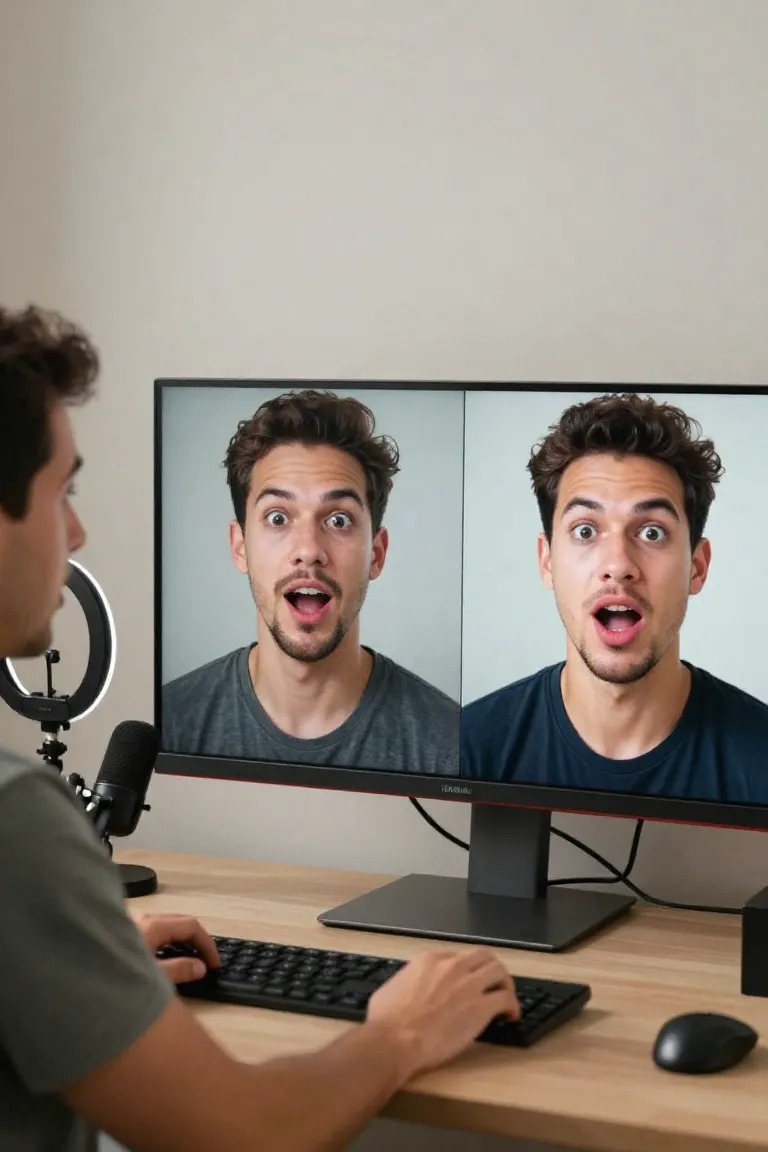
What is a deepfake image?
A deepfake image is an AI-generated or AI-altered picture that makes a real or fictional person appear in a scene, pose, or identity that did not happen. In a professional deepfake ia workflow, the safest use is consent-based face swap, avatar creation, or synthetic creator content with clear rights.
How to avoid AI deepfakes?
To avoid AI deepfakes, reduce public access to high-quality face images, lock down social profiles, and avoid uploading personal media to unknown tools. For brands and creators, use consent records, disclosure where needed, watermarking, and monitoring of reposts.
What exactly is a deepfake?
A deepfake is synthetic media where AI changes or generates a person’s face, voice, or body movement so the result appears real. It can be an image, audio clip, or video with face swap, lip-sync, and expression matching. Legitimate use depends on consent and transparency.
Is it legal to deepfake?
Deepfake legality depends on consent, content type, location, and use; authorized parody or licensed avatar content may be lawful, while nonconsensual intimate, fraudulent, defamatory, or deceptive uses can be illegal. Treat face, voice, and likeness as rights-managed assets.
Can you detect a deepfake?
Yes, you can detect a deepfake by checking visual inconsistencies, audio mismatches, metadata, source history, and whether the same clip appears on trusted channels. Manual review helps, but detection tools and reverse image search are stronger when combined.
What is another word for deepfake?
Another word for deepfake is synthetic media, although people also use AI-generated media, face swap, digital forgery, or manipulated media depending on the context. For videos made with avatars, AI video or virtual influencer content can be more accurate and less loaded.
What are the red flags for deepfakes?
Red flags for deepfakes include unnatural blinking, mismatched lighting, warped hairlines, blurred teeth, strange shadows, inconsistent jewelry, and facial edges that shift between frames. Audio can also lag behind lip movement or sound too smooth.
How do you tell if an image is AI generated?
To tell if an image is AI generated, inspect hands, eyes, text, reflections, background geometry, and repeated textures that look plausible at first but fail under zoom. Reverse image search and metadata can show whether the image has a real source.
What are the warning signs of deepfake video?
Warning signs of deepfake video include lips that do not match speech, facial texture that changes frame to frame, unnatural head turns, and lighting that ignores the environment. Look for flicker around the jaw, ears, and hairline before trusting the clip.
Is it illegal to AI someone's face?
Yes, it can be illegal to AI someone's face if you use their likeness without consent for intimate content, fraud, harassment, defamation, ads, or other rights-violating purposes. Influenciador IA is designed for controlled creator workflows, not misuse of another person's identity.
What is the deepfake law 2026?
The deepfake law in 2026 is not one worldwide rule; in the U.S., the TAKE IT DOWN Act targets nonconsensual intimate images and AI digital forgeries published online. Other rules vary by state and country, especially for elections, fraud, minors, and likeness rights.